April 24, 2026
10 Questions and Answers with Stéphane Konaté
)
Stéphane Konaté has made a name for himself across Africa as a revered basketball player; now, he hopes to become the best coach he can possibly be.
Things are looking good for the former small forward, who helped his JCA Kings team achieve a 7–1 record during the 2026 Road to BAL tournament.
Stephane Konate is the first former BAL player to coach a team in the BAL.
What's next for Konate? He admits that he faces a tough challenge in the 2026 Sahara Conference, which is set to take place in Rabat from 24 April to 3 May.
In this 10 Questions and 10 Answers feature, the 45-year-old Stephane Konate sheds light on his basketball world.
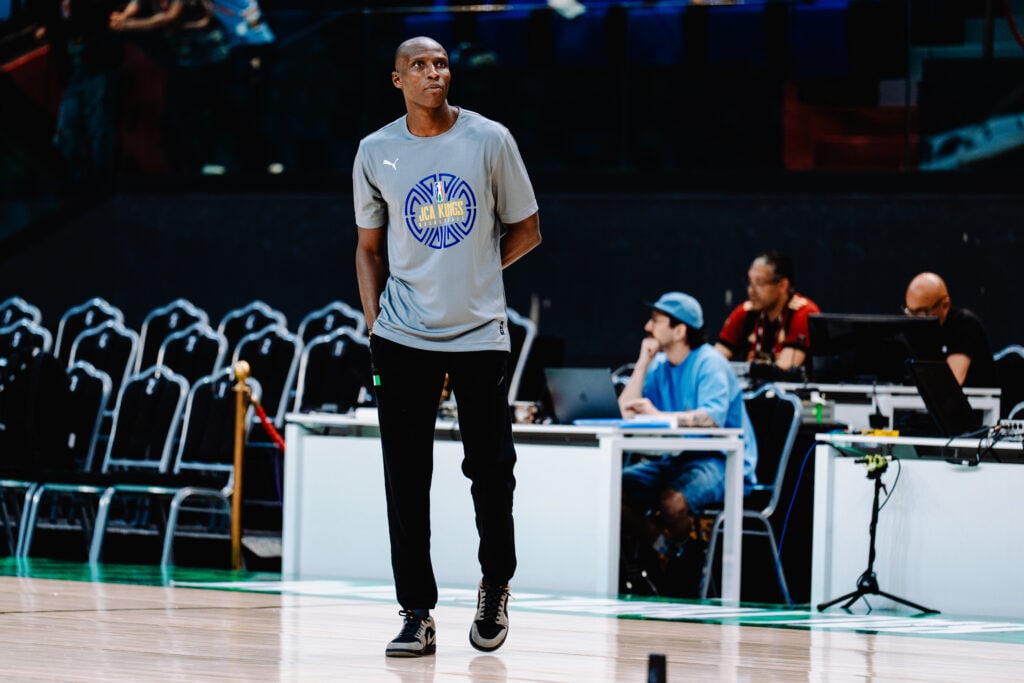
Q. You are a well-known figure in African basketball. Tell us more about your basketball journey: Tell us about yourself, how you got into basketball, and what you have learnt from it.
A. I started playing basketball in Korhogo, a small town in the north of the Ivory Coast. Unlike in Abidjan, where everything happened basketball-wise, basketball wasn’t a popular or developed sport there. Back then, Korhogo lacked the necessary infrastructure and adequate basketball courts. After finishing my secondary education, I moved to Abidjan to complete a four-year degree in Sports Studies. As well as my coaching job, I have been a physical education teacher for the last twenty years. My parents always insisted that I complete my education, as a career in sports usually lasts no longer than ten years.
Q. You haven’t been a basketball coach for very long. For some, Stephane Konate's name still resonates as that of the player known for his scoring skills. How has the transition from player to coach been for you?
A. For me, transitioning from being a BAL player to becoming a head coach is a big deal. BAL is a top-level African competition that gives us the chance to achieve great things in basketball. This transition happened very naturally. My background in teaching and my experience of playing basketball professionally made it easier for me to become a basketball coach. I have been a basketball coach for the last three years, but my approach is different to that of most other coaches. I am a hands-on and disciplinarian coach. As a coach, my main goal is to foster strong team chemistry and identity.
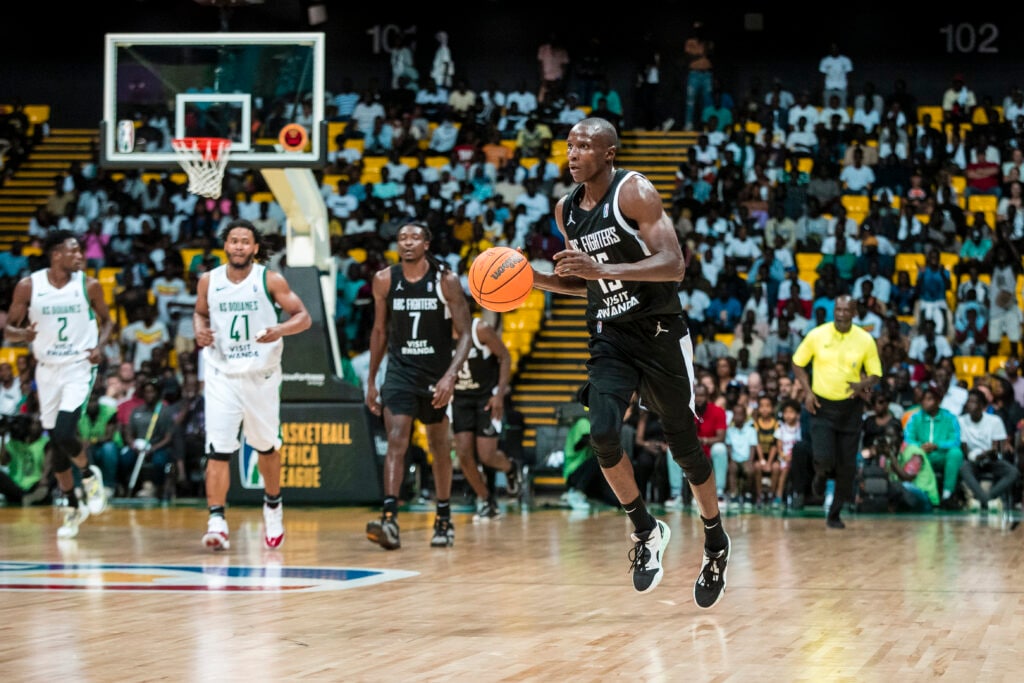
Q. Not only did you win the FIBA 2005 Africa Champions Cup as a player, but you also won the MVP award. What was it like to experience that achievement in your home country of Ivory Coast?
A. For those unfamiliar with the FIBA Africa Champions Cup, it was the equivalent of the BAL today. It was a tough competition. The 2005 edition was held in Abidjan. We defeated Petro de Luanda in the semi-finals and InterClub, another Angolan team, in the final. It was a great experience for me at all levels. It really broadened my understanding of the impact of African basketball at a club level.
Q. Have you had any other career-changing moments after winning the 2025 African title?
A. I had some opportunities abroad. I played for Gezira in Egypt, winning the title, and I also played in Morocco and Spain. Being named the African MVP twenty years ago is incomparable to the present day. The two situations are completely different.
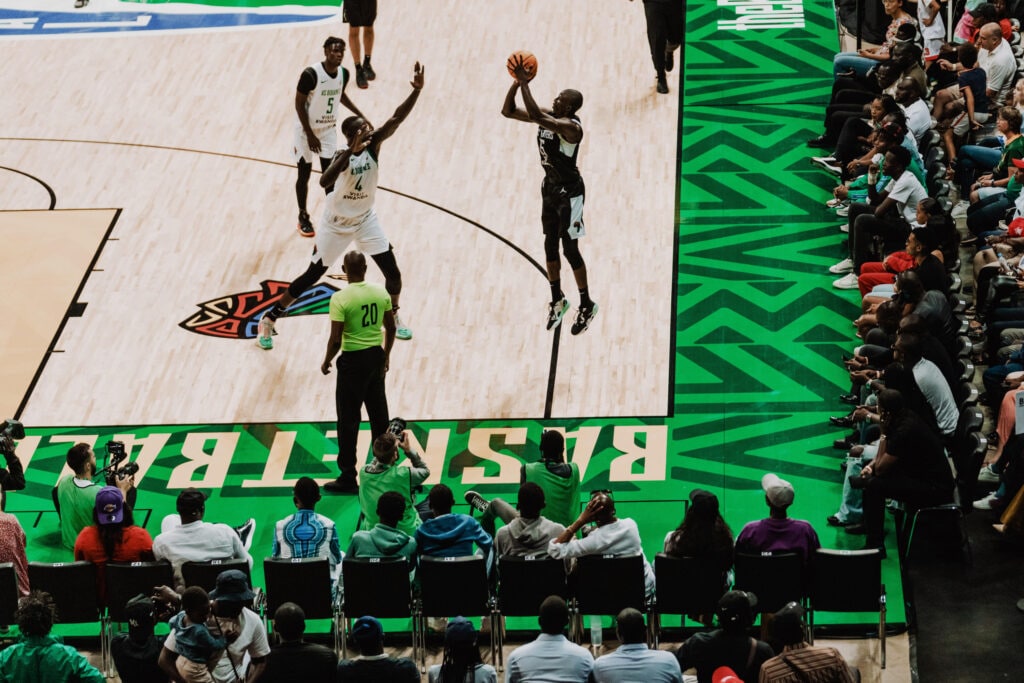
Q. What are your team's goals and limits in the current BAL season?
A. Limits? What limits? Our main goal is to be the best team we can possibly be. We aim to play as a team and stick together through good times and bad. Sometimes, during the bad moments, teams tend to disintegrate and start playing one-on-one, becoming individualistic. I need a team that plays together. Yes, I played against Solo [Diabate] and [Ater] Majok. My team is young, so it will be tough, but we have something to prove, and we’ll make sure Kigali remains our main goal. I am a competitor by nature, and Kigali is definitely at the back of my mind.
Q. What goes through your mind when you look at your Sahara Conference opponents, and what did you learn from the Kalahari Conference in Pretoria?
A. I watched the Kalahari Conference games, of course, and my main takeaway is that this was a tough competition. Our conference is even more competitive. Just look at the talented teams here in Rabat!
Q. What does the BAL mean to you, both as a former player and as a current coach?
A. Being a BAL coach is an opportunity to learn more about the purpose of this league and, more importantly, to learn from other coaches. After all, coaching is all about learning from those around you.
Q. What is your opinion on the mindset of current players? Do you think their approach to the game is the same as that of your generation?
A. Life is easy for basketball players nowadays. Some players I have met refuse to work hard, yet still want to achieve Kobe Bryant's level of success. I always encourage my players to work hard if they want to reach their full potential. I love communicating with my players, although sometimes I am too harsh on them — this is just the way I work. I know how my players feel because I have been in their position before. All I try to do is pass on my experience to them.
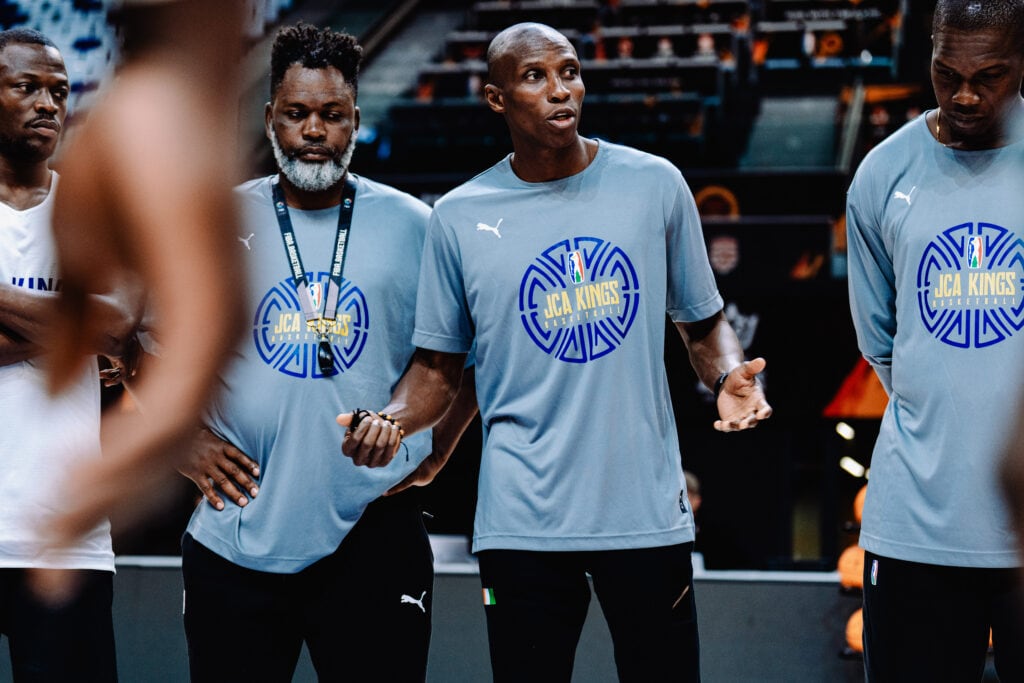
Q. How would you compare the exposure of players during your playing career with that of players in the modern era?
A. It has become much easier for players to gain recognition outside their home countries. The internet has also revolutionised basketball. In the early days of my playing career, you had to record a tape and send it to scouts around the world. Nowadays, you just upload your video to YouTube, and everyone can see your game.
Q. You also had an extensive career in the national team.
A. I first played for my national team in 2002. I played in one World Cup (in 2010). I retired from playing during the Road to BAL Elite 16 in Cameroon in 2024.
I then retired from the national team after the 2024 World Cup qualifiers in Abidjan.